

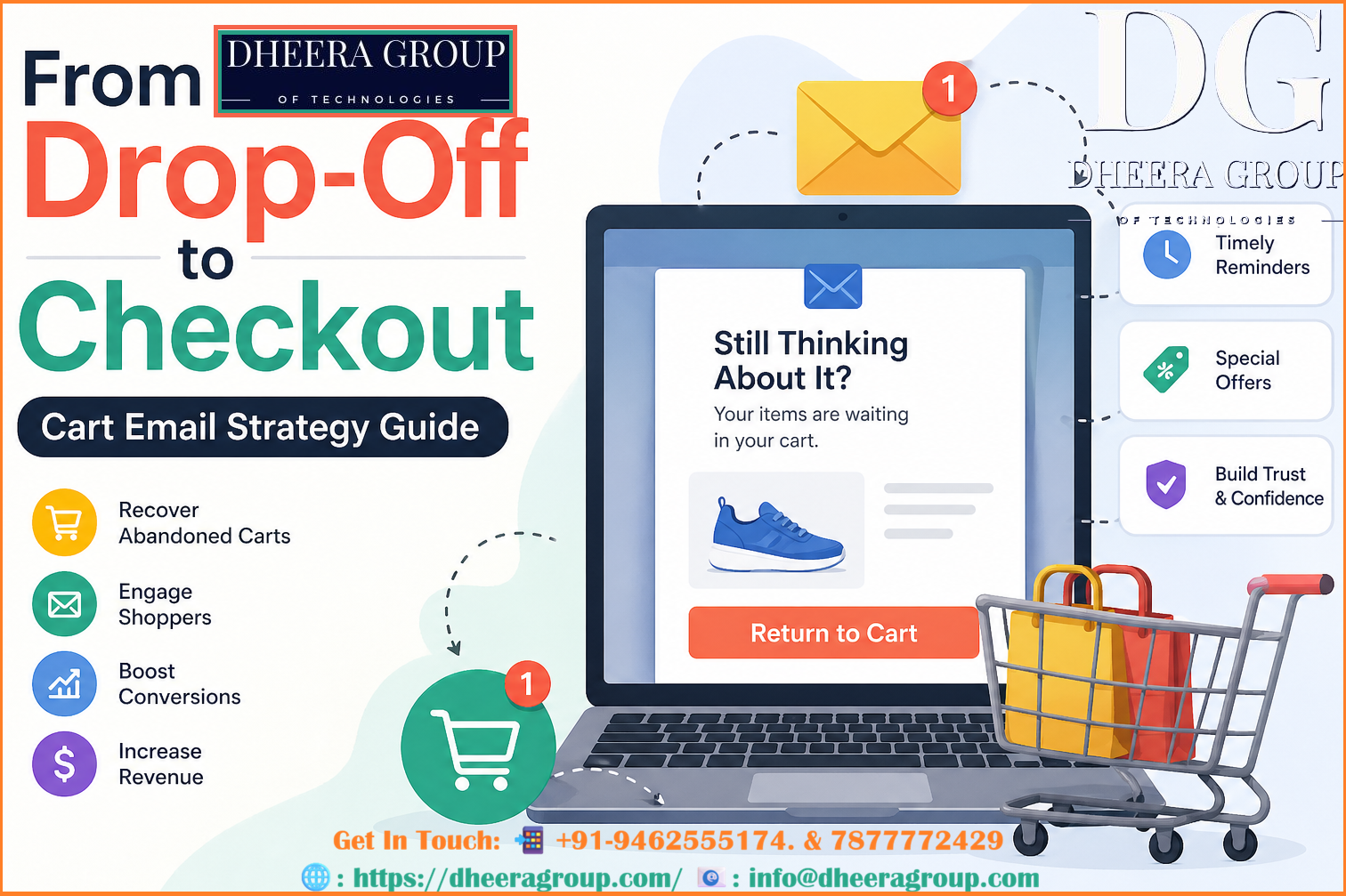

In the fast-moving world of e-commerce, Email Strategy, abandoned carts are one of the most common—and frustrating—challenges. Shoppers browse your store, add products to their cart, and then disappear without completing the purchase. But here’s the opportunity: those customers were already interested. With the right email strategy, you can bring them back and turn missed opportunities into revenue.
This guide walks you through how to craft high-performing abandoned cart emails that move customers from drop-off to checkout.
Why Do Customers Abandon Carts?
Before fixing the problem, it’s important to understand why it happens. Some of the most common reasons include:
- Unexpected shipping costs
- Complicated checkout processes
- Payment security concerns
- Distractions or interruptions
- Simply browsing or comparing options
Knowing these reasons helps you design emails that directly address customer concerns and remove friction.
The Power of Cart Recovery Emails
Abandoned cart emails are highly effective because they target users who are already familiar with your brand and have shown purchase intent. Unlike cold marketing emails, these messages are timely, relevant, and personalized.
A well-executed email sequence can recover a significant percentage of lost sales while also strengthening customer trust.
Building a Winning Email Sequence
One email is good—but a strategic sequence is better. Here’s a proven structure:
1. The Reminder Email (Send within 1–2 hours)
This is your first touchpoint. Keep it simple and friendly.
What to include:
- A reminder of the items left behind
- Clear product images and details
- A direct call-to-action (CTA) like “Return to Cart”
Tone: Helpful, not pushy
Goal: Bring the shopper back while the intent is still fresh
2. The Value Email (Send after 24 hours)
At this stage, the customer may need reassurance.
What to include:
- Benefits of the product
- Customer reviews or testimonials
- Trust signals (secure checkout, easy returns)
Optional: Offer support or answer common questions
Goal: Build confidence and reduce hesitation
3. The Incentive Email (Send after 48–72 hours)
If the customer still hasn’t converted, it may be time to offer an incentive.
What to include:
- A limited-time discount or free shipping
- Urgency elements like “Offer expires soon”
- Strong CTA
Goal: Create urgency and push the final decision
Key Elements of High-Converting Emails
To make your emails truly effective, focus on these essential components:
1. Personalization
Use the customer’s name and reference the exact products they left behind. Personalized emails feel more relevant and increase engagement.
2. Clear and Compelling Subject Lines
Your email won’t work if it’s never opened. Try subject lines like:
- “Did you forget something?”
- “Your cart is waiting…”
- “Still thinking it over?”
Keep them short, intriguing, and action-oriented.
3. Strong Visual Appeal
Include product images, clean layouts, and mobile-friendly designs. A clutter-free email helps customers focus on completing their purchase.
4. Clear Call-to-Action (CTA)
Your CTA should stand out and guide the user clearly. Examples:
- “Complete Your Purchase”
- “Return to Cart”
- “Checkout Now”
Avoid multiple conflicting buttons—keep it simple.
5. Mobile Optimization
A large portion of users check emails on their phones. Ensure your emails load quickly, display correctly, and are easy to navigate on smaller screens.
Advanced Email Strategy to Boost Results
Once you’ve mastered the basics, take your cart emails to the next level:
1. Use Behavioral Triggers
Segment users based on behavior. For example:
- High-value carts may deserve bigger incentives
- First-time visitors may need more reassurance
- Returning customers may respond to loyalty rewards
2. Add Social Proof
Highlight ratings, reviews, or user-generated content. Seeing others trust your product builds confidence.
3. Create Urgency
Limited-time offers or low-stock alerts can push customers to act quickly.
Example: “Only 3 items left in stock!”
4. A/B Testing
Test different subject lines, email Strategy, email designs, and offers to see what works best. Small changes can lead to big improvements in conversion rates.
5. Optimize Timing
Experiment with send times to find what resonates with your audience. Timing can significantly impact open and click-through rates.
Common Mistakes to Avoid
Even a small mistake can reduce effectiveness. Watch out for:
- Sending too many emails too quickly
- Being overly aggressive or salesy
- Ignoring mobile optimization
- Using generic, non-personalized content
- Failing to include a clear CTA
Keep your messaging helpful, relevant, and customer-focused.
Measuring Success
To understand how well your email strategy is working, track these key metrics:
- Open rate
- Click-through rate (CTR)
- Conversion rate
- Revenue recovered
Regular analysis helps you refine your approach and improve performance over time.
Final Thoughts
Abandoned carts don’t have to mean lost sales. With the right email strategy, you can re-engage interested customers, build trust, and guide them back to checkout.
Focus on timing, personalization, and value-driven messaging. Combine that with a well-designed email sequence, and you’ll turn drop-offs into conversions more effectively than ever.
Start optimizing your cart recovery emails today—and watch your e-commerce revenue grow.